.png)

Let’s build something great
See how Totally’s API can support your reward and payout workflows. Talk to our team to explore your use case, or access our documentation when you’re ready to get started.
Book a Demo
This piece looks at what makes Gen Z and Millennial expectations around rewards fundamentally different from previous generations.


Gen Z's spending power is projected to reach $12 trillion by 2030. They already make up 40% of global consumers. Millennials sit alongside them with $3 to $4 trillion in annual spend and the highest household purchase frequency of any generation at 683 transactions per year. Combined, these two generations represent the largest consumer spending bloc in history, and the gap between them and older generations widens every quarter.
The brands winning with this audience aren't just marketing to them differently, they're rewarding them differently. 54% of Gen Z buy digital gift cards. 65% prefer digital over physical. 25% of Gen Z gift card transactions are prepaid cards compared to just 1% among Baby Boomers. 72% prioritise experiences over physical items. And 81% switched brands in the past year, making loyalty something that's earned continuously rather than locked in through points accumulation.
This piece looks at what makes Gen Z and Millennial expectations around rewards fundamentally different from previous generations, which categories and formats resonate most strongly, and how brands can design reward programmes that build lasting loyalty with the audience that will determine their growth trajectory over the next decade.
Understanding how Gen Z and Millennials engage with brands is essential context for designing rewards that actually land.
Previous generations built brand loyalty through familiarity and consistency. They found brands they trusted and stayed with them, often for decades. 80% of Baby Boomers describe themselves as highly brand loyal. Among Gen Z, 81% switched brands in the past year. And yet 61% of those same consumers call themselves "forever customers" for their favourite brands. The contradiction reveals something important: this generation isn't disloyal. They're selectively loyal, and the bar for earning that loyalty is higher and more specific than it was for previous cohorts.
Several patterns define how this loyalty is built.
Experience over product. 72% of Gen Z and 75% of Millennials prefer spending money on experiences rather than physical things. Travel, dining, entertainment, wellness, gaming, and streaming consistently outrank physical goods as preferred spending categories. A reward programme offering only retail vouchers is speaking a language that doesn't resonate with how these consumers define value.
Personalisation as a baseline. 73% expect personalised experiences from brands they engage with. For older generations, personalisation was a premium touch. For Gen Z and Millennials, it's the minimum viable experience. A generic reward sent to a broad segment feels lazy rather than generous, and it signals that the brand doesn't know or care about who they actually are.
Mobile-first, instant everything. 85% of Gen Z use their phones for purchases. 35% use mobile wallets at point of sale, compared to 19% of Gen X. Digital delivery isn't a convenience. It's the default expectation. A reward that requires logging into a desktop portal, printing something out, or waiting for physical delivery has already lost this audience before they've engaged with it.
Values-driven decisions. 73% will pay more for sustainable products. 71% have boycotted a brand over its social or political stance. These consumers evaluate brands through a lens that extends beyond product quality and price. A reward programme that reflects the values the brand stands for (sustainability, ethical sourcing, community) deepens the connection. One that ignores them feels disconnected from the relationship the consumer thought they had.
Social as the primary discovery channel. 97% find shopping inspiration through social media. 62% have bought something after seeing a social ad. 43% start product searches on TikTok. The reward experience needs to be shareable, visually premium, and designed for a generation that documents and shares their brand interactions as a form of social currency.
One of the most common mistakes brands make when designing rewards for younger audiences is offering the same catalogue they've always offered and assuming it will work. The spending patterns of Gen Z and Millennials point to specific categories that drive engagement.
Gaming and digital entertainment. 82% of Gen Z are willing to pay for streaming platforms. Gaming is the dominant entertainment category for this demographic. Roblox, Xbox, PlayStation, and Steam gift cards aren't niche offerings for a reward programme targeting this audience. They're core catalogue items that reflect how this generation actually spends its leisure time. Netflix, Spotify, and other streaming credits sit alongside them as high-redemption, high-satisfaction reward options.
Experiences and travel. Travel is a priority spending category for both generations, with 55% of Millennials planning leisure travel during holiday periods. Experience-based rewards (dining credits, event tickets, spa treatments, activity vouchers) align with the documented preference for experiences over things. Virgin Experiences, restaurant gift cards, cinema vouchers, and concert or sports ticket credits all outperform generic retail for this audience because they match what these consumers value.
Food and delivery. 94% of Millennials eat at restaurants at least once a month. Food delivery has become a default convenience rather than an occasional treat for both generations. Gift cards for food delivery platforms, coffee chains, and restaurant groups are among the highest-redemption reward categories for under-40 audiences.
Fashion and self-care. Despite Gen Z cutting back on apparel spending in 2025, fashion remains a significant category when the reward feels personally relevant. The key distinction is between a generic department store voucher (low engagement) and a gift card for a specific brand the recipient already shops at (high engagement). Health, beauty, and wellness brands perform consistently well, particularly among Gen Z women.
Prepaid cards for maximum flexibility. 25% of Gen Z gift card transactions are prepaid Visa or Mastercard cards, compared to just 1% among Boomers. This generation values the flexibility to spend wherever they choose, and prepaid cards deliver that without the "cash absorbed into payroll" problem that reduces the impact of monetary rewards. A prepaid card still feels like a gift, still lands in the "windfall" mental bucket, and still creates a distinct, memorable spending experience.
The common thread across all of these: the reward should reflect how the recipient actually spends, not how the brand assumes they do. A catalogue built around traditional retail doesn't match the spending patterns of a generation that prioritises gaming, streaming, dining, travel, and experiences.
The structural expectations Gen Z and Millennials bring to brand interactions extend to how rewards are designed, delivered, and experienced.
Mobile-first delivery, not mobile-compatible. There's a meaningful difference between a reward experience designed for mobile and one designed for desktop that also works on a phone. This audience will engage with the reward on their phone. The notification, the selection interface, the redemption process, and the confirmation should all be designed for that context. Mobile wallet integration matters. QR code redemption matters. Single-tap access matters. Every additional step in the mobile experience reduces completion.
Instant delivery as the only acceptable speed. A reward promised on Tuesday and delivered on Friday has lost its emotional connection to the moment that earned it. For a generation accustomed to same-day delivery, instant streaming, and real-time notifications, the expectation is that a digital reward arrives within seconds of being triggered. Batch processing, manual approval queues, and next-day delivery all belong to a different era of reward fulfilment.
Choice as a standard feature. Multi-choice reward experiences where the recipient selects from a curated catalogue outperform single-brand gift cards with this audience. The act of choosing creates ownership and engagement. A curated selection that reflects the recipient's interests (gaming, dining, fashion, experiences) personalises the reward without requiring individual customisation for every recipient. The brand controls the quality and relevance of the options. The recipient controls the outcome.
Visually premium, brand-consistent experiences. Gen Z judges brands by their digital execution. A reward landing page that looks like it was built in 2015, with generic templates and stock imagery, undermines the brand perception that the reward was supposed to enhance. The entire reward journey (notification, selection, redemption, confirmation) should carry the visual quality and brand consistency that this generation expects from every digital interaction.
Shareable moments. For a generation where brand interactions are social currency, the reward experience should be worth sharing. A beautifully presented digital reward, a personalised message, or a surprise-and-delight moment creates the kind of content that gets screenshotted, shared, and talked about. That organic amplification extends the value of the reward beyond the individual recipient.
The temptation is to view Gen Z and Millennial reward preferences as a future consideration. The data suggests the window for adaptation is already closing.
Gen Z currently commands roughly $360 billion in buying power, up from $143 billion just four years ago. Their per capita expenditure at equivalent ages already outpaces every previous generation. They make up 40% of global consumers. And at American Express, Gen Z and Millennials now account for 36% of total card spend, equal to Gen X. This isn't a generation preparing to become commercially significant. They're already there.
The brands building reward experiences for this audience now are gaining a structural advantage. Customer acquisition costs for Gen Z respond more strongly to referral and social than to traditional paid channels. A referral programme with a digital gift card incentive activates the social-first behaviour that defines this generation's purchasing patterns. Influencer-driven customers show 57% purchase intent on an influencer's recommendation, 3.2 times more trust in micro-influencers than celebrities, and 37% higher retention rates. These numbers make the acquisition economics of a well-designed Gen Z reward programme significantly different from what brands are used to.
The loyalty dimension compounds this further. A Gen Z customer acquired at 22 who remains loyal has a potential customer relationship measured in decades rather than years. The lifetime value trajectory is longer and steeper than any previous generation if the loyalty experience keeps pace with their expectations. Brands that invest in getting the reward experience right with this cohort now are building a customer base whose value compounds over a longer time horizon than anything the market has seen before.
Totally provides the reward infrastructure that brands need to deliver the kind of digital, mobile-first, choice-driven reward experiences that Gen Z and Millennial audiences expect.
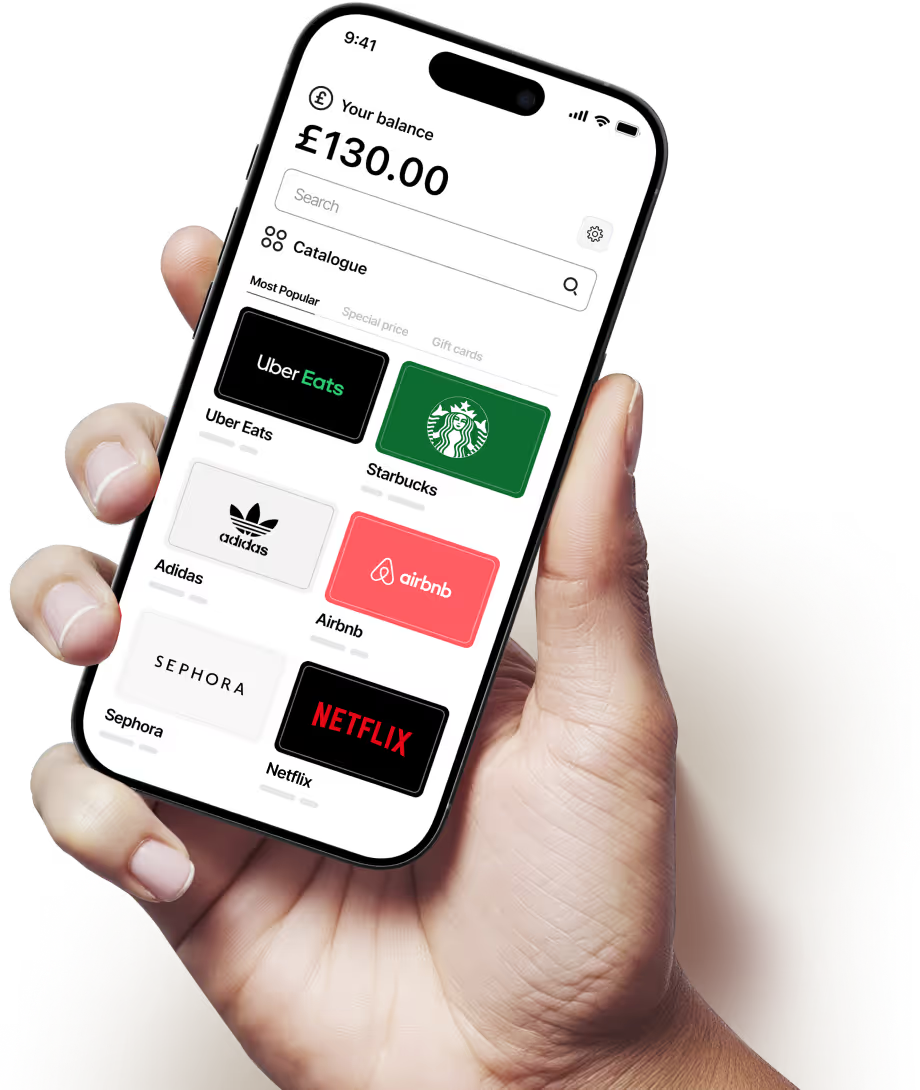
That means access to over 3,000 digital gift card brands across 50+ countries, covering the categories this generation cares about: gaming (Roblox, Xbox, Nintendo), streaming (Netflix, Spotify), food delivery (Deliveroo, Just Eat, HelloFresh), fashion, dining, experiences, travel, and wellness. Prepaid Visa and Mastercard options give recipients the flexibility this audience values most. Multi-choice reward experiences let recipients browse and select from a curated catalogue, creating the engagement and personalisation that single-brand cards can't match.
Every reward touchpoint is fully brandable and designed for mobile-first delivery. Instant delivery via API ensures the reward arrives within seconds of being earned. Real-time tracking gives marketing and loyalty teams visibility into which categories, brands, and reward types drive the highest engagement with younger audiences, enabling continuous optimisation of the programme.
For brands whose customer base is increasingly Gen Z and Millennial, Totally provides the catalogue breadth, delivery speed, and experience quality that this audience demands from every brand interaction, including the reward moment.
If your reward programme was designed for an older customer base and you're seeing engagement decline with younger audiences, a few focused adjustments will clarify where the biggest gaps are.
Look at your redemption data by age cohort. If Gen Z and Millennial recipients are redeeming at lower rates than older audiences, the reward catalogue or delivery experience is likely the issue. Adding experience-based options, gaming and streaming credits, and prepaid card flexibility alongside traditional retail will often improve engagement with younger cohorts without reducing it among older ones.
Evaluate the mobile experience. Complete the entire reward journey on your phone. If any step requires a desktop, involves more than two taps, or feels visually dated, that's friction this audience won't tolerate.
Test a multi-choice reward experience against your current single-brand approach. Run both with a Gen Z or Millennial segment for 90 days and compare redemption rates, time-to-redemption, and downstream engagement. The selection process itself creates engagement that a predetermined card doesn't.
The generation that will define your growth over the next decade is already here, already spending, and already forming opinions about which brands understand them and which don't. The reward experience is one of the most direct signals a brand sends about whether it sees its customers as they are or as they were.
Looking to build reward experiences that resonate with Gen Z and Millennial audiences? Schedule a call.