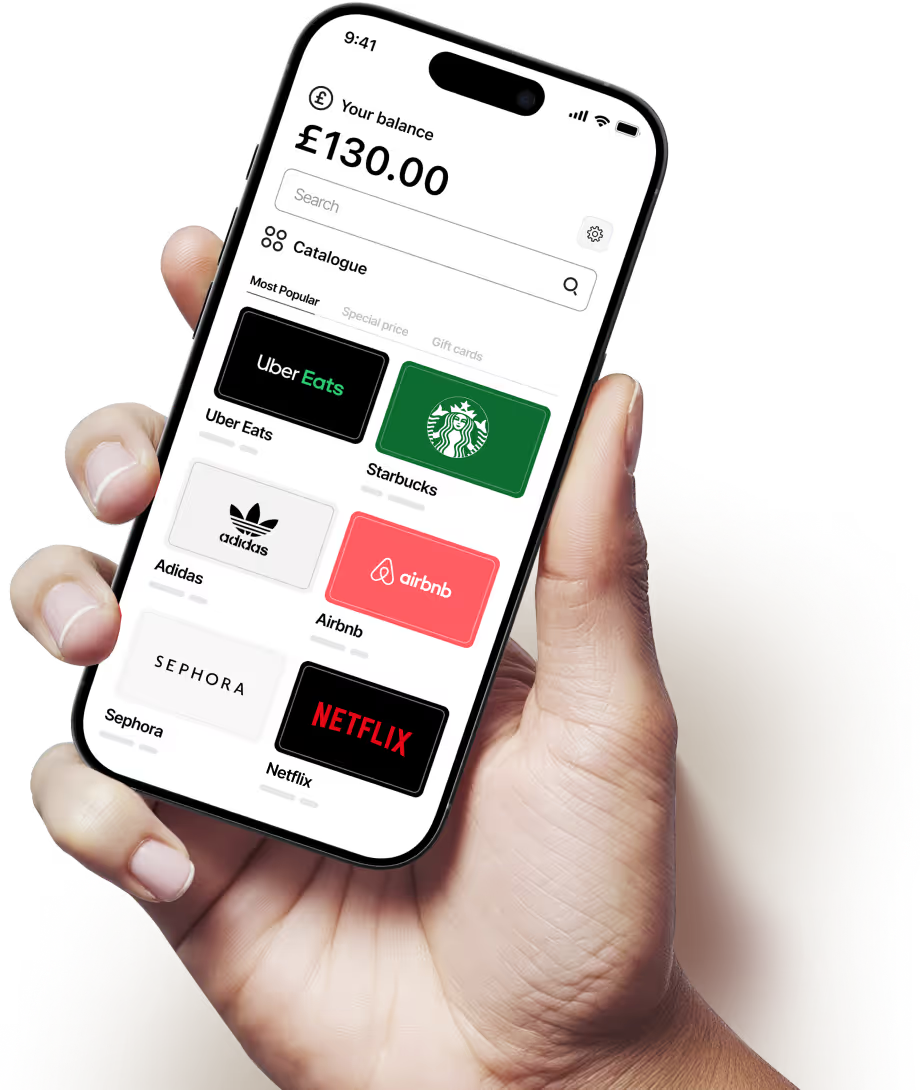
.png)

Let’s build something great
See how Totally’s API can support your reward and payout workflows. Talk to our team to explore your use case, or access our documentation when you’re ready to get started.
Book a Demo
The average B2B gift card denomination in the US climbed to $193 this year. A category-by-category guide to the brands that perform best in US reward and incentive programmes, with data on what's driving recipient engagement.

.png)
The US gift card market is projected to reach $246.91 billion by the end of 2026, growing at 7.1% annually toward $320.81 billion by 2030. The corporate segment is where the growth is accelerating fastest: 70% of North American firms plan to increase their corporate gift card usage this year, and the average B2B denomination has climbed to $193, up from $142 in 2025. Businesses are now using gift cards more deliberately as infrastructure for employee recognition, customer acquisition, research incentives, loyalty programmes, and channel partner rewards.
This piece covers the brands performing best in US reward programmes, grouped by category, with context on which use cases each one suits and what to consider when building your own reward programme.
There are five patterns in how US recipients interact with gift cards that should inform how reward programmes are structured.
Recipients see gift cards as spending tools, not just gifts. The share of Americans buying gift cards for their own use nearly doubled year-on-year, climbing from 31% in 2025 to 56% in 2026. People are using them to budget, access discounts, and manage spending deliberately. For programme managers, this shift matters because it means recipients perceive a digital gift card reward as genuinely useful rather than a token gesture. The engagement starts higher when the format, in this case gift cards, already has credibility with the audience.
Digital delivery is the expected format. Digital gift cards are growing materially faster than physical across every segment, with the global digital market growing from $358.9 billion to $398.85 billion between 2025 and 2026 alone. For programme managers, the implication is operational: digital delivery via email is what recipients expect, and it eliminates the procurement, shipping, and inventory management that physical cards require. Programmes built around digital delivery scale without proportional increases in admin.
B2B denominations and budgets are increasing. The B2B gift card segment in North America is projected to grow at 10.1% CAGR, roughly doubling from $455 billion in 2026 to $892 billion by 2033. Corporate gift cards now account for 30% of programme budgets in North America. The average denomination climbing to $193 tells you that businesses are moving beyond $10 coffee cards and using gift cards for meaningful recognition, performance rewards, and client-facing appreciation.
Food delivery and experiences belong in your catalogue. DoorDash, Uber Eats, and Grubhub gift cards have become standard inclusions in reward programmes because they match how a large portion of the US workforce actually spends. For remote and hybrid teams especially, a food delivery card feels more relevant than a retail voucher. Experience-based categories (entertainment, travel, dining) are growing alongside delivery as recipients increasingly prefer spending rewards on moments rather than products.
Let recipients choose. 65% of employees prefer gift cards to physical gifts, but the preference isn't for a specific brand. It's for the ability to choose. Multi-choice reward experiences where recipients select their own brand consistently outperform single-brand sends on redemption, satisfaction, and programme engagement. For programme managers, this means building a curated selection is more effective than trying to pick the one brand everyone will like.
.png)
1. Amazon
The most popular gift card in the US by every measure: search volume, purchase frequency, and redemption data. With millions of products across every category imaginable, Amazon is the universal fallback that works for virtually any recipient regardless of age, location, or interest.
For reward programmes, Amazon is the brand you include because it guarantees coverage. Someone in your programme will want it, and it eliminates the risk of offering a card nobody uses.
Where Amazon falls short is personalisation. Receiving an Amazon card as recognition can feel more like a default than a deliberate choice. It works best as one option within a broader multi-choice selection rather than as the only reward available.
2. Target
Target occupies an interesting position in the US market. It combines the breadth of a general retailer (groceries, clothing, home, electronics, beauty) with a brand identity that feels more curated than Walmart. That positioning makes it popular for reward programmes where the gift card needs to feel considered without being category-specific.
With nearly 2,000 US locations and a strong online presence, accessibility isn't an issue for most recipients. Target gift cards also carry strong resale value ($83 average), which indicates that even recipients who don't shop at Target regularly see the card as valuable.
3. Walmart
Walmart's reach is unmatched in the US: over 4,600 locations nationwide and an extensive online catalogue. For reward programmes targeting a geographically distributed workforce or a broad demographic, Walmart gift cards deliver practical, everyday value. Groceries, household essentials, electronics, clothing, pharmacy, and auto care all sit under one roof.
The brand association is functional rather than aspirational. A Walmart card says "use this for whatever you need" rather than "treat yourself." That positioning works well for cost-of-living support gestures and practical appreciation but may not carry the right tone for premium recognition moments or client-facing gifting.
4. Starbucks
Starbucks consistently ranks as one of the most redeemed gift card brands in incentive programmes globally, and the US is no exception. With over 16,000 US locations and full digital redemption through the Starbucks app, it combines physical accessibility with the seamless mobile experience that younger recipients expect.
A $5 to $15 Starbucks card is one of the most effective low-denomination reward formats available. It works for peer-to-peer recognition, quick thank-you gestures, survey completion incentives, and any programme where frequency matters more than value per reward. The brand carries positive associations across demographics, and because coffee is a daily habit for many Americans, the card gets used quickly rather than sitting in a drawer.
5. DoorDash
.png)
Food delivery has become a default category in US reward programmes because it matches how a large portion of the workforce actually eats, particularly remote and hybrid employees. DoorDash is the most popular food delivery platform in the US, which makes it the strongest option in this category.
DoorDash cards deliver instant gratification. The recipient can order a meal within minutes of receiving the card, which creates an immediate positive association with the recognition moment. Digital-only delivery means the card can be sent and used without any physical logistics.
6. Chipotle
Chipotle ranks in the top 10 most popular gift cards in the US and carries particularly strong brand affinity among Millennials and Gen Z. For programmes targeting younger demographics, a Chipotle card feels more specific and considered than a generic dining voucher.
7. Apple
The Apple Gift Card covers apps, subscriptions (Apple Music, Apple TV+, iCloud), hardware accessories, and the full App Store ecosystem. For recipients who live within the Apple ecosystem, which is roughly half of US smartphone users, this card has broad utility beyond a single purchase.
Strong choice for tech-oriented recognition, younger demographics, and any programme where digital-native recipients are a significant portion of the audience. The card bridges physical products and digital services, which gives it more range than a purely retail-focused option.
8. Best Buy
Best Buy remains the dominant electronics retailer in the US, and its gift cards are popular for higher-denomination recognition where the recipient has a specific tech purchase in mind. Laptops, headphones, gaming equipment, home audio, smart home devices, and appliances all fall within the range.
Works best at denominations of $50 and above where the card represents a meaningful contribution toward a considered purchase. At lower denominations, other brands offer more immediate utility.
9. Sephora
Sephora ranks in the top 10 most popular US gift cards and is the leading option in the beauty and lifestyle category. The brand carries a premium association that makes it appropriate for recognition moments where the reward should feel like a genuine treat.
Particularly strong for programmes where the recipient demographic includes a significant beauty and self-care interest. Also works well for milestone recognition and appreciation campaigns where the tone should be "treat yourself" rather than "here's something practical."
10. Hotels.com
Experience-based rewards are growing in the US market, and Hotels.com gift cards offer recipients the ability to put their reward toward a trip or stay rather than a physical product. For programmes where the goal is to create a memorable experience rather than a transactional exchange, travel gift cards deliver something recipients remember long after the card is used.
Works well for high-denomination milestone rewards, annual performance recognition, and client-facing appreciation where the gesture should feel significant.
11. Lowe's
Lowe's gift cards appeal to homeowners and anyone with projects around the house. Tools, materials, décor, appliances, and outdoor equipment all fall within the range. Particularly popular for seasonal campaigns and end-of-year recognition where recipients may be planning home improvements.
Works well alongside other categories in a multi-choice selection, giving recipients who are more practically minded an option that matches how they'd actually spend discretionary money.
12. Uber Eats
Similar to DoorDash in utility but appeals to recipients who are already in the Uber ecosystem. The dual functionality (rides and food) through the broader Uber platform adds flexibility that pure food delivery cards don't offer.
Strong choice for remote teams, informal recognition, and programmes where instant delivery and immediate usability matter. Digital-only format means the reward can be sent and used within minutes.
13. Visa and Mastercard Prepaid Cards
Prepaid Visa and Mastercard cards are the most popular gift card format in the US based on search volume. They carry the broadest possible utility: spendable anywhere that accepts card payments, online and in-store, with no category or brand restriction.
For reward programmes where maximum recipient flexibility is the priority, or where the recipient base is too diverse to predict brand preferences, prepaid cards are the safest option. They're especially effective for research incentive programmes, customer acquisition campaigns, and programmes serving recipients across different regions with varying retail landscapes.
The US market data and brand popularity patterns point to several principles for reward programmes targeting US based recipients.
The catalogue needs to cover how Americans actually spend. The top-performing programme catalogues in the US span everyday retail (Amazon, Target, Walmart), coffee and dining (Starbucks, Chipotle), food delivery (DoorDash, Uber Eats), tech (Apple, Best Buy), beauty (Sephora), experiences (Hotels.com), home (Lowe's), and flexible prepaid options. A programme offering only one or two of these categories is missing how a significant portion of recipients prefer to use their rewards.
Low-denomination options drive frequency. A $5 Starbucks card for a quick thank-you is one of the most effective recognition formats in US programmes. Not every reward needs to be a $50 milestone gesture. Programmes that include small, frequent rewards alongside larger milestone amounts tend to see higher overall engagement because recognition happens more often.
Food delivery has become essential, not optional. DoorDash and Uber Eats aren't niche categories. They reflect how a large and growing segment of the US workforce eats regularly, particularly remote workers. Excluding food delivery from a reward catalogue in 2026 means excluding one of the highest-engagement categories available.
Self-use behaviour changes how recipients perceive gift cards. With 56% of Americans now buying gift cards for themselves, the format has moved from "gift I received" to "spending tool I chose." This means recipients are less likely to view a gift card reward as a token gesture and more likely to see it as genuinely useful, which is a meaningful shift for programme engagement.
Multi-choice consistently outperforms single-brand. The data on this is consistent across every market, but the US data is particularly clear: programmes that offer a curated selection and let the recipient choose outperform those that send a predetermined brand on every engagement metric that matters.
Totally provides access to all of the brands listed in this piece, alongside thousands more, through a single API integration. Digital gift cards, prepaid Visa and Mastercard options, and multi-choice reward experiences are all available for instant digital delivery across the US and 50+ countries internationally.
For US-focused programmes, Totally handles brand availability, denomination flexibility, digital delivery, and compliance including the tax reporting considerations that apply to employee gift cards under IRS guidelines. For programmes running across the US and other markets, the platform surfaces locally relevant brands by geography so that recipients in each country see options that resonate with their market.
Every reward interaction is tracked in real time, giving programme managers visibility into which brands, categories, and denominations drive the highest engagement with US recipients. That data feeds directly into programme optimisation, ensuring the catalogue evolves with recipient preferences.
Whether the programme is employee recognition, customer loyalty, research incentives, or channel partner rewards, Totally provides the catalogue breadth and delivery infrastructure to make US reward programmes feel relevant, flexible, and operationally simple.